ASN 2027 will bring together leading experts and innovators in neurochemistry and neuroscience. Our plenary speakers will share their latest discoveries, insights, and perspectives on the research shaping the future of the field.
More speaker announcements will be added as the program develops. Check back regularly to discover the distinguished researchers who will be joining us in Vancouver.
Neurovascular Interactions: from mechanisms to clinical trials.
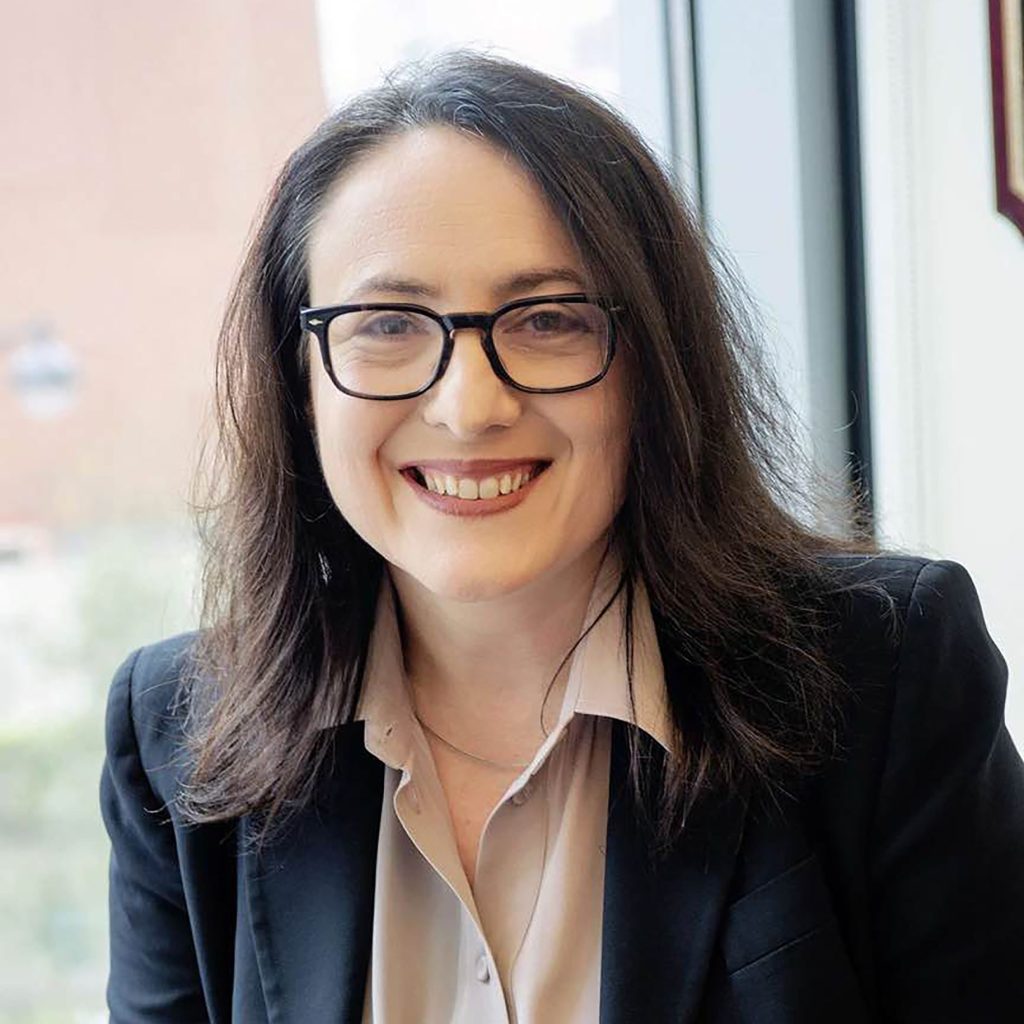
Katerina Akassoglou
PhD
Katerina Akassoglou is a Professor of Neurology at UCSF, a Senior Investigator at Gladstone Institutes and Founder and Director of the Center for Neurovascular Brain Immunology. She has pioneered studies on vascular mechanisms of inflammation and tissue repair and discovered the molecular interface blood proteins utilize to interact with immune and nervous system cells, as a common thread driving autoimmune, neurodegenerative and vascular diseases. She developed a first-in-class fibrin-targeting immunotherapy currently in Phase 1b clinical trials in Alzheimer’s disease and ophthalmic diseases. She has authored over 110 publications and is a named inventor on 11 issued and several pending patents. She is the scientific founder of Therini Bio and she was named by the San Francisco Business Times among the 2021 Most Influential Women in Bay Area Business. She was awarded by the White House the Presidential Early Career Award for Scientists and Engineers, the Barancik Prize for Innovation in Multiple Sclerosis Research, the Vilcek Prize in Creative Promise honor, the Pharmacia-ASPET Award, and the Alzheimer’s Association’s Zenith Fellows Award. She is a Fellow of the American Academy of Neurology, an elected Fellow of ASPET, the National Academy of Inventors, and the American Association for the Advancement of Science (AAAS).
Chromatin-level regulation of neuronal development
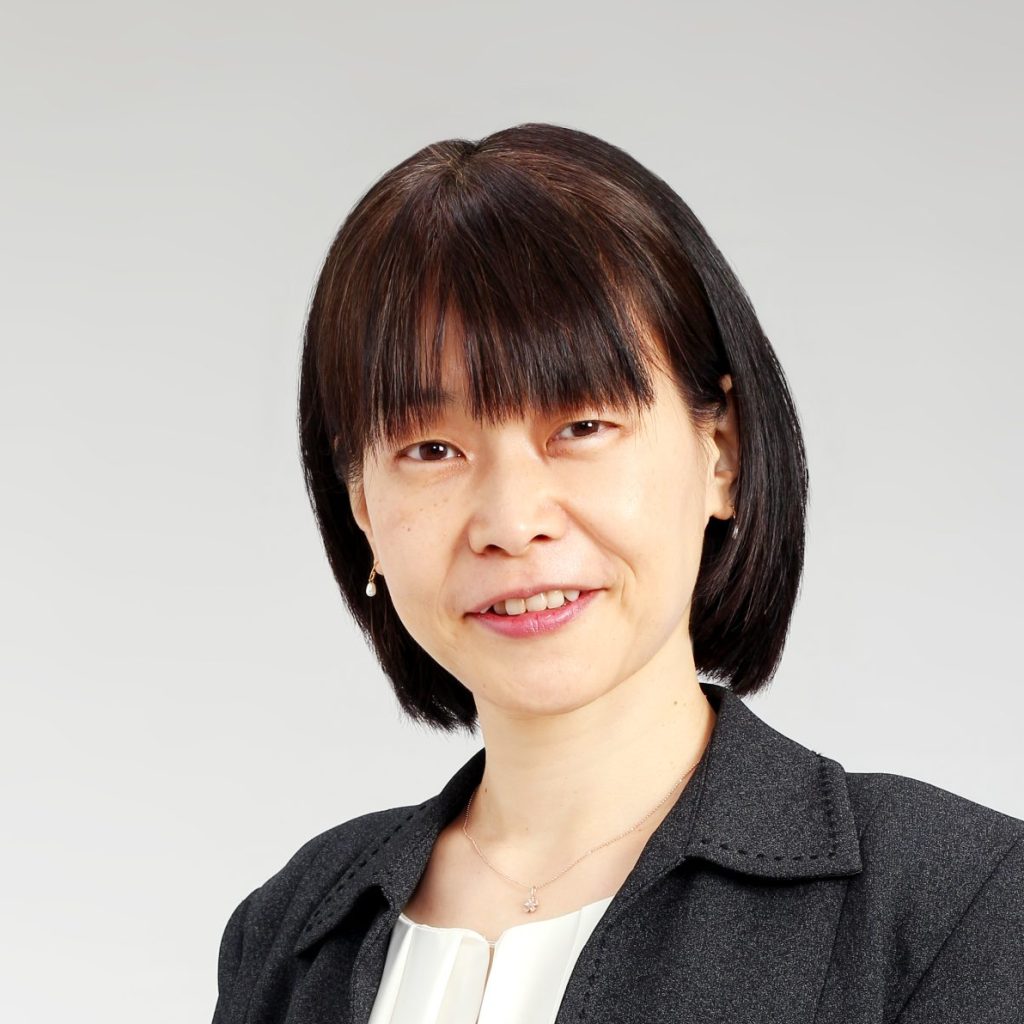
Yukiko Gotoh
PhD
Yukiko Gotoh studies neural stem/progenitor cells (NPCs) and their progeny to elucidate the mechanisms and principles underlying mammalian brain development and homeostasis. She received her PhD from The University of Tokyo in 1992, where she contributed to the identification of the mitogen-activated protein (MAP) kinase signaling pathway in vertebrates with Eisuke Nishida. She conducted postdoctoral research with Jonathan A. Cooper at the Fred Hutchinson Cancer Research Center and with Michael E. Greenberg at Harvard Medical School before returning to The University of Tokyo to establish her own laboratory. Her group has revealed mechanisms underlying the temporal regulation of the neurogenic properties of NPCs during brain development, including those mediated by Polycomb group proteins, and identified the embryonic origin of adult subventricular neural stem cells. She has received numerous honors, including the Japan Society for the Promotion of Science Prize, the Japan Academy Medal, the Tsukahara Prize, the Takeda Prize for Medical Science, the Medal with Purple Ribbon, the Japan Academy Prize and the Imperial Prize of the Japan Academy from the Government of Japan. She was elected an EMBO Associate Member.
2027 Program Committee Bonnie Firestein – Program Chair, University of Kentucky Jeff Dupree, Virginia Commonwealth University Stefka Spassieva, University of Kentucky Shelley Halpain, University of California San Diego Freda Miller, University of British Columbia David Kaplan, University of Toronto Anastasia Voronova, University of Alberta Lisa Flanagan, University of California, Irvine Marina Guizetti, Oregon Health & Science University Karun Singh, University of Toronto Tim Kennedy, McGill University Gaurav Chopra, Merck-Purdue Center
2027 Local Host Committee Lisa Julian – Local Host Committee Chair, Simon Fraser University Annie Ciernia, University of British Columbia Jessica Rosin, University of British Columbia Marie-Eve Tremblay, University of Victoria Alex Wiesman, Simon Fraser University